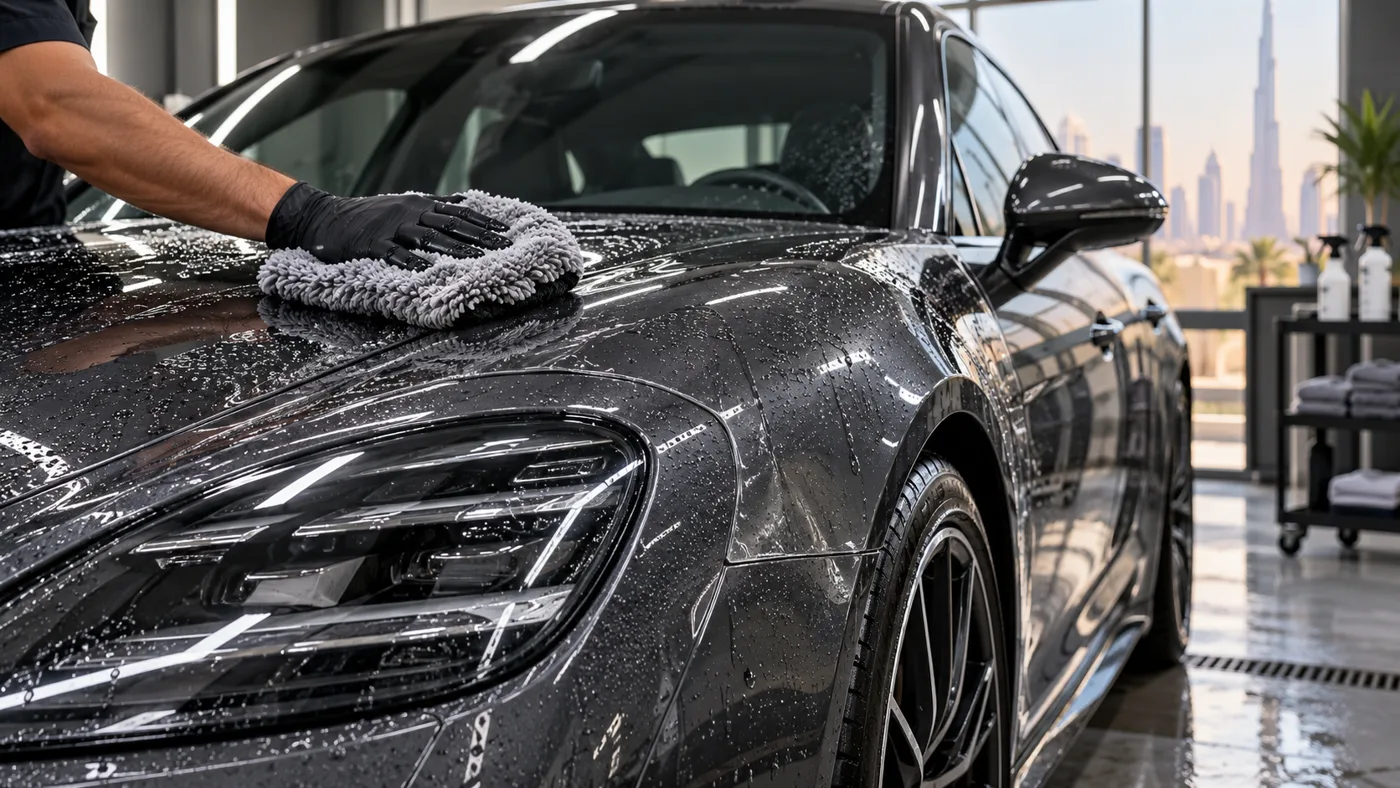
PPF aftercare in Dubai is about protecting the film you have just paid to install. Dust, outdoor parking and frequent washing make a clear care routine useful from the first day. The aim is simple: clean the surface gently, protect vulnerable edges and recognise when to ask your installer for help.
Paint protection film is a protective layer, not a reason to stop maintaining your car. This guide covers seven practical habits for new and existing film, plus a handover checklist and answers to common questions. Always follow the written guidance for your particular product, including any coating applied over it.
If you are still choosing coverage, explore Wrapex Car Care’s PPF services in Dubai. If your film is already fitted, start by confirming its name and your first-wash date.
In this guide
1. Start PPF Aftercare with the Right First-Wash Date
Before collecting your car, ask for the exact film brand, product series, finish and installation date. Your first wash should follow that product’s written instructions and the installer’s handover advice. A generic waiting period from a different film is not a reliable substitute.
For example, XPEL lists a 48-hour wait for ULTIMATE PLUS and STEALTH, and 72 hours for its COLOR PPF. Its product-specific guidance shows why the film name matters. Other manufacturers and product ranges can specify different periods. If a ceramic coating was also applied, ask for one aftercare plan covering both materials.
Put the approved wash date in your phone and tell anyone who cleans the vehicle. If contamination lands on newly fitted film before that date, contact the installer for suitable spot-cleaning advice rather than arranging an early full wash. Keep the handover instructions with your invoice.
2. PPF Aftercare Washing: Cool Panels and Loose Grit
A good PPF aftercare routine starts before a wash mitt touches the car. Park in shade, allow hot bodywork to cool and inspect the surface. If dust or sand is present, rinse away loose particles first. Dragging a dry cloth across a dusty bonnet is an avoidable source of surface marks.
Use a clean, soft wash mitt and a shampoo approved for your film. Keep the wheel-cleaning tools separate from the materials used on protected panels. Work in manageable areas so cleaning solution does not dry while you move around the car. Rinse the mitt regularly and replace it if it picks up grit.
Ask a commercial wash provider how it treats protected vehicles before handing over the keys. Explain that the car has PPF, identify any partial-panel edges and request clean washing materials. If the provider cannot explain its process, choose a service that can.
Dubai drivers should plan washes around the car’s actual condition, rather than a rigid calendar. Outdoor parking, road trips and dusty conditions change how much cleaning is needed. Prompt attention to contamination matters more than repeatedly washing an otherwise clean car.
3. PPF Aftercare: Protect Film Edges During Every Wash

Edges and joins deserve extra care during PPF aftercare. Do not aim a concentrated water jet into an exposed film edge or use a nozzle to chase dirt underneath it. XPEL specifically warns that high-pressure water near edges can lift or damage film. Use the pressure and nozzle guidance supplied for your exact product.
Tell the person washing the car where partial bonnet coverage, mirror sections and bumper joins begin. Avoid catching an edge with a towel, fingernail or brush. Brush-type tunnel washes can also create unwanted contact with the surface, so a careful hand wash is a sensible starting point.
If you notice lifting, stop cleaning that area and photograph it. Send the image to your installer and arrange an inspection. Do not trim the film with a blade, add household glue or try to press trapped dirt back underneath. Those attempts can complicate a straightforward assessment.
4. Remove Droppings and Residue Without Scrubbing
Bird droppings, insects, sap and fuel residue should not become a permanent part of the finish. Check the car when you return to it, especially after parking outdoors. During the initial settling period, use the installer’s advice; once routine washing is permitted, use a film-approved cleaning method.
Start gently. Soften contamination with a suitable cleaner and lift it away with clean, soft materials rather than repeatedly rubbing one spot. If residue does not release easily, stop and ask which product is compatible. A kitchen scourer or abrasive pad has no place in routine film cleaning.
Make a small care kit easy to find: approved cleaner, clean microfiber towels and the installer’s contact details. Keep used towels separate from clean ones. If a mark remains after cleaning, take a clear photo in daylight so the workshop can distinguish surface residue from a possible film defect.
5. Dry Carefully and Check for Water Spots
Finish a permitted wash by drying with a clean, soft microfiber towel using light pressure. Do not drag a towel that has fallen on the ground across the bonnet. Check mirrors, panel gaps and trim for water that can run out after you think the car is dry.
Drying is an easy part of PPF aftercare to overlook when the finish already looks glossy. Walk around the car before moving it into direct sun and look for remaining droplets or streaks. Keep towels intended for bodywork separate from those used on wheels and lower dirty areas.
If spotting remains, avoid immediately reaching for household descaler, a strong acid or abrasive polish. Photograph the affected panel and ask your installer for a product-specific recommendation. Describe what cleaner was used and whether the marks were present before the wash; that context helps the team choose the next step.
6. Choose Products for Your Exact Film and Finish
Gloss, satin, matte and coloured PPF should not automatically receive the same finishing treatment. Before buying a wax, coating, quick detailer or stain remover, check compatibility with the exact film. Ask what the product is intended to do and whether it changes the appearance of a matte or satin surface.
3M’s installation guidance cautions against strong alkaline, acidic or alcoholic cleaning agents and abrasive polishing materials. Product-specific instructions can differ, so do not assume that a cleaner recommended for another brand is suitable for yours. Keep a record of the products your installer approves.
Be cautious about claims that every mark can be removed with heat. Self-healing performance depends on the film and type of damage. A deep cut, puncture or impact is a reason for professional inspection, not an invitation to use a heat gun or aggressive compound.
If you are considering a ceramic coating over the film, discuss compatibility, installation timing and care requirements first. Our guide to PPF versus ceramic coating explains their different roles. A coating does not remove the need for washing and inspection.
7. Inspect the Film and Keep Your Handover Records
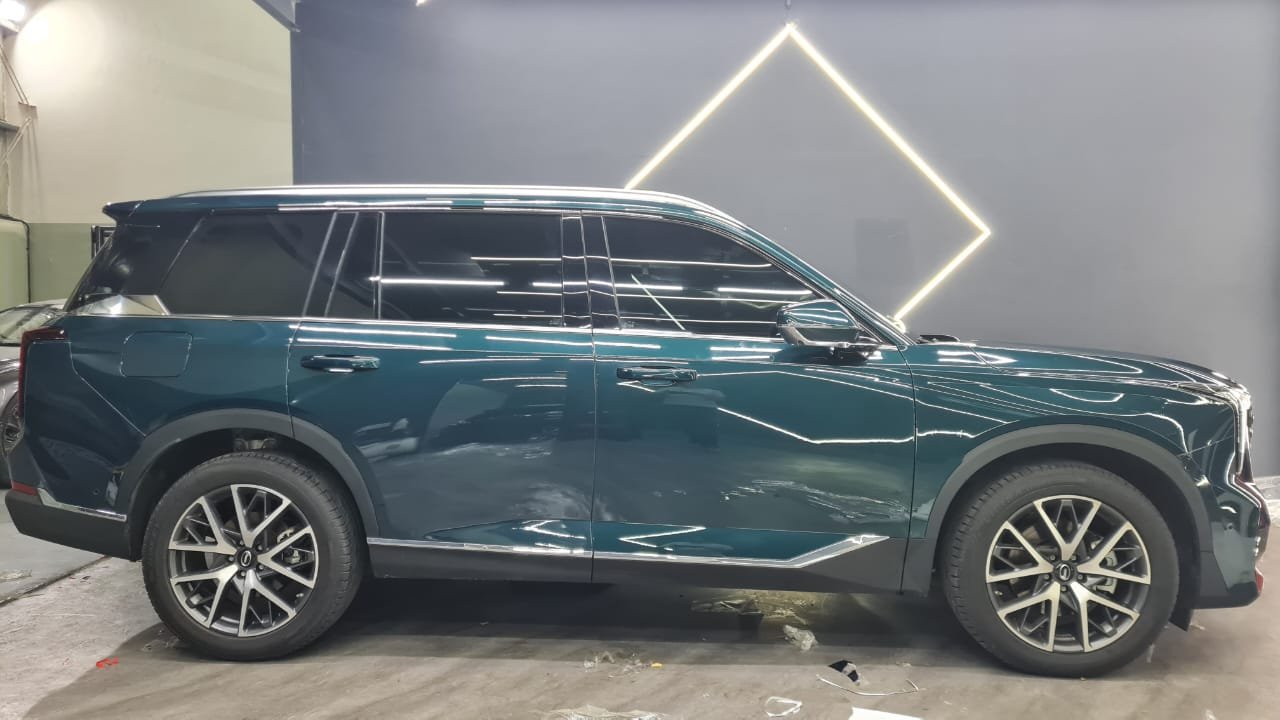
Add a brief visual inspection to your PPF aftercare routine. Look at vulnerable edges, the front bumper, mirror caps and areas that collect dirt. Compare any new mark with your handover photographs. If an area changes noticeably, grows or starts lifting, arrange a review.
Do not puncture a bubble or peel back a corner to investigate it. Send the installer a wider photo showing the panel and a close-up of the concern. Include the installation date, when you first noticed it and whether the car has recently been washed or exposed to an impact.
Keep the invoice, film identification, covered-panel list, written care guidance and any warranty documents together. Check the actual terms for maintenance and inspections instead of assuming all films have the same cover. Ask about the cost of an inspection or panel replacement before authorising work.
Professional removal or replacement should be planned around the condition of both the film and the underlying paint. Avoid pulling old material off as a home experiment, particularly on previously repaired panels. An inspection gives the workshop a chance to explain the available options.
PPF Aftercare Checklist Before You Leave the Workshop
Use this PPF aftercare checklist at handover. A few specific questions are more useful than a promise that the film needs no maintenance. Save the answers so you can give the same instructions to anyone who cleans the vehicle.
- Identify the product: What brand, series and finish were installed, and on which panels?
- Confirm timing: When can the car first be washed, and is there an additional coating to consider?
- Check cleaning: Which shampoo, stain remover and drying materials are approved?
- Locate edges: Where should the wash provider be especially careful?
- Keep records: Where are the invoice, care sheet and any warranty terms?
- Agree follow-up: Who should receive photographs if an edge or surface changes?
For a vehicle that another person washes regularly, send them the approved instructions before the first appointment. If you change cleaning providers later, repeat that handover. Consistent PPF aftercare is easier when everyone understands what is fitted.
Everyday PPF Aftercare: Six Practical Scenarios
After a dusty outdoor parking day
Your PPF aftercare decision starts with an inspection, not an automatic wipe. If the vehicle is dusty but has no urgent contamination, arrange a suitable wash when you can clean it properly. Avoid asking a parking attendant to rub the panels with a dry shared cloth. Tell your regular cleaner that removing loose grit before contact is part of the agreed routine. If a dropping or spill needs immediate attention, use the approved spot-cleaning instructions.
Before a weekend road trip
Check the film before leaving so you have a clear record of its condition. Include the front bumper, mirrors and any partial-panel edges in your photographs. Pack your approved cleaner and clean towels where they will not mix with tools or dirty luggage. Save the workshop’s details on your phone. PPF aftercare on a trip should use the same compatible products as home; a fuel-station bottle with an unfamiliar label is not automatically a suitable substitute.
When you hand the car to a new wash provider
Explain the PPF aftercare requirements before the wash begins. Point out the protected areas and ask the operator to repeat the important instructions, particularly the first-wash date and care around edges. Make clear which cleaning and finishing products are approved. If you have matte film, mention that finish specifically. Agree that the operator should stop and call you if they notice a lifting edge or an unfamiliar mark, rather than trying a stronger treatment without discussion.
When a new mark appears after cleaning
Take a photograph before trying a second product. Record which panel is affected, the date and the cleaner used. Look at the area under ordinary daylight as well as workshop lighting if available, because reflections can change how a mark appears. Good PPF aftercare records help the installer understand whether the issue appeared suddenly or developed over time. Avoid repeatedly experimenting on the same spot while waiting for advice; provide the information needed for an assessment.
When your parking or driving habits change
Revisit your PPF aftercare plan if you move from covered parking to an exposed space, start driving longer distances or change wash providers. The original handover conversation may no longer reflect how the car is used. Ask whether your inspection and cleaning routine needs adjustment for the actual product. Bring the existing film documents rather than relying on a remembered brand name. Keep the updated advice together with the original instructions so that future cleaning decisions remain consistent.
When booking a workshop assessment
Describe the concern in plain terms: where it is, when it appeared and whether it has changed. Send a wide photograph of the panel and a close-up without filters. Ask whether the proposed appointment is an inspection, cleaning treatment or replacement assessment, and confirm any charge. This keeps PPF aftercare decisions practical: first establish what the film needs, then agree the work. If another installer fitted the material, share whatever identification and installation records you have.
PPF Aftercare: Frequently Asked Questions
When can I wash my car after PPF installation?
Use the written waiting period for your exact film and any coating applied over it. Manufacturers specify different intervals. Ask your installer to give you a clear first-wash date before collecting the car rather than relying on a universal 24-, 48- or 72-hour rule.
Can I use an automatic car wash with PPF?
Check the film instructions first. Brush contact and concentrated water at film edges can create problems. Tell the wash provider that your car has PPF and ask how it protects the surface and edges. A careful hand wash gives you more control over the process.
Does matte PPF need different aftercare?
It can require different finishing products because appearance depends on its surface texture. Confirm that every cleaner, wax or coating is suitable for the specific matte film. Do not apply a gloss-enhancing treatment simply because it worked on another car.
What should I do if a PPF edge starts lifting?
Stop washing or rubbing that area, take photographs and contact the installer. Do not cut, glue or peel it yourself. The workshop needs to inspect the film, contamination and surrounding panel before deciding whether adjustment or replacement is appropriate.
How often should I book professional PPF aftercare?
Set the schedule with your installer using the film instructions, parking conditions and how you use the car. Ask whether inspections are recommended or required by the written warranty. Arrange a review sooner if you see lifting, cuts, staining or a changing surface defect.
Can Wrapex advise on film installed elsewhere?
Contact the team with the film brand if known, installation date, vehicle details and photographs. Ask whether an inspection is available and what it includes. Advice and any recommended work should follow an assessment of the existing material and its condition.
Plan Your PPF Aftercare with Wrapex Car Care
A practical PPF aftercare plan should fit your film, parking arrangements and cleaning habits. Keep the product instructions handy, use gentle approved methods and ask for help when something changes. That approach gives you a clearer basis for maintenance than treating all protective films alike.
Wrapex Car Care provides PPF and vehicle appearance-care services in Al Quoz, Dubai. To discuss installation or request advice about an existing film, contact Wrapex Car Care with your make, model, coverage and photographs. Ask the team to confirm the available service, inspection scope and quotation for your vehicle.
If you need help choosing a cleaning service, explore our car detailing services and explain that your vehicle has paint protection film before booking.
Manufacturer references
Product examples were checked against XPEL’s product care instructions and 3M’s paint protection film installation guidance. Follow the current instructions supplied for the film on your car.